Deck Builders in Prescott, AZ
Prescott is the one market on this site where the decking material question is a fire question before it is a comfort question.
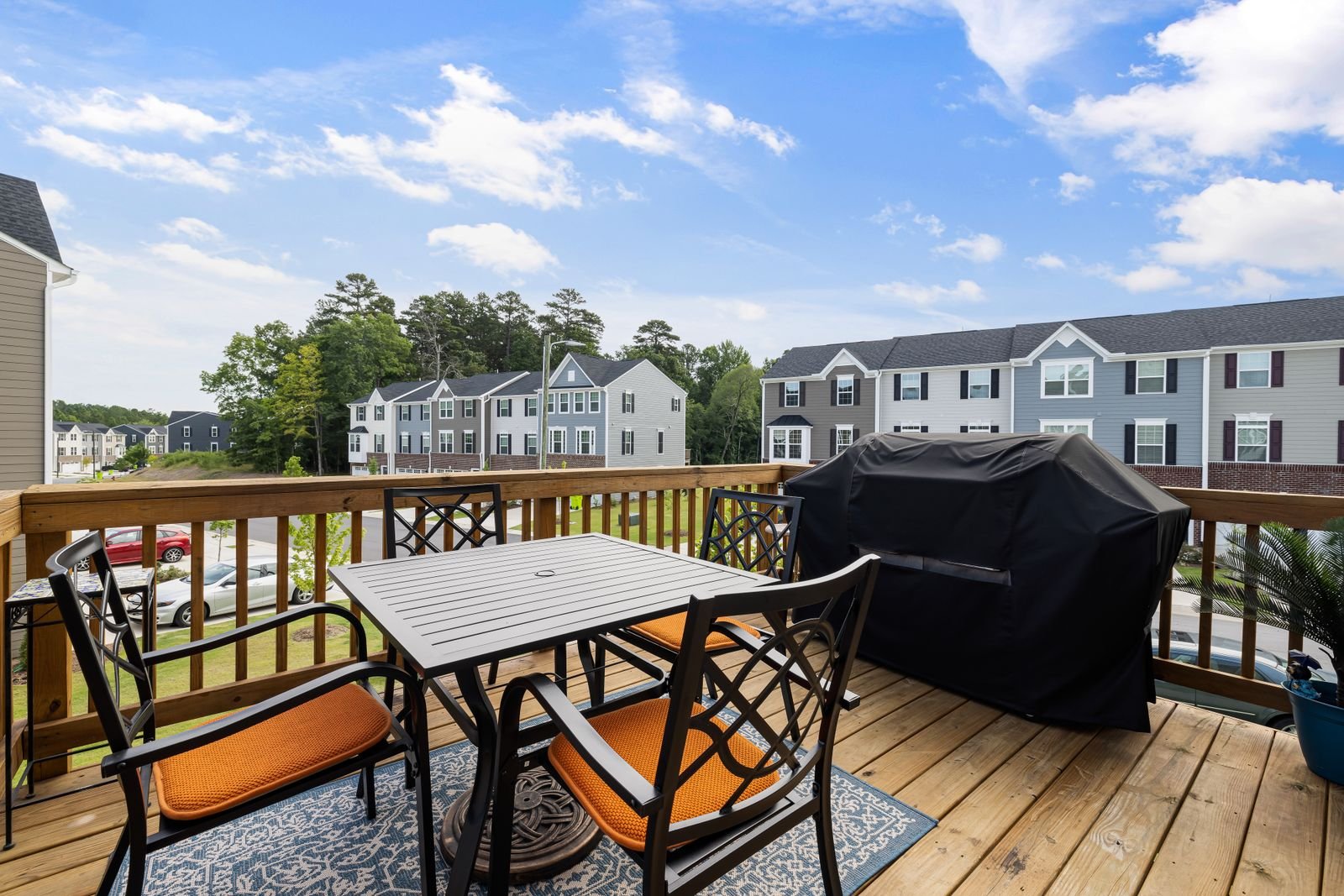 Raised timber deck
A deck is an attachment in the 0 to 5 foot ignition zone, and the whole city is in the interface area.
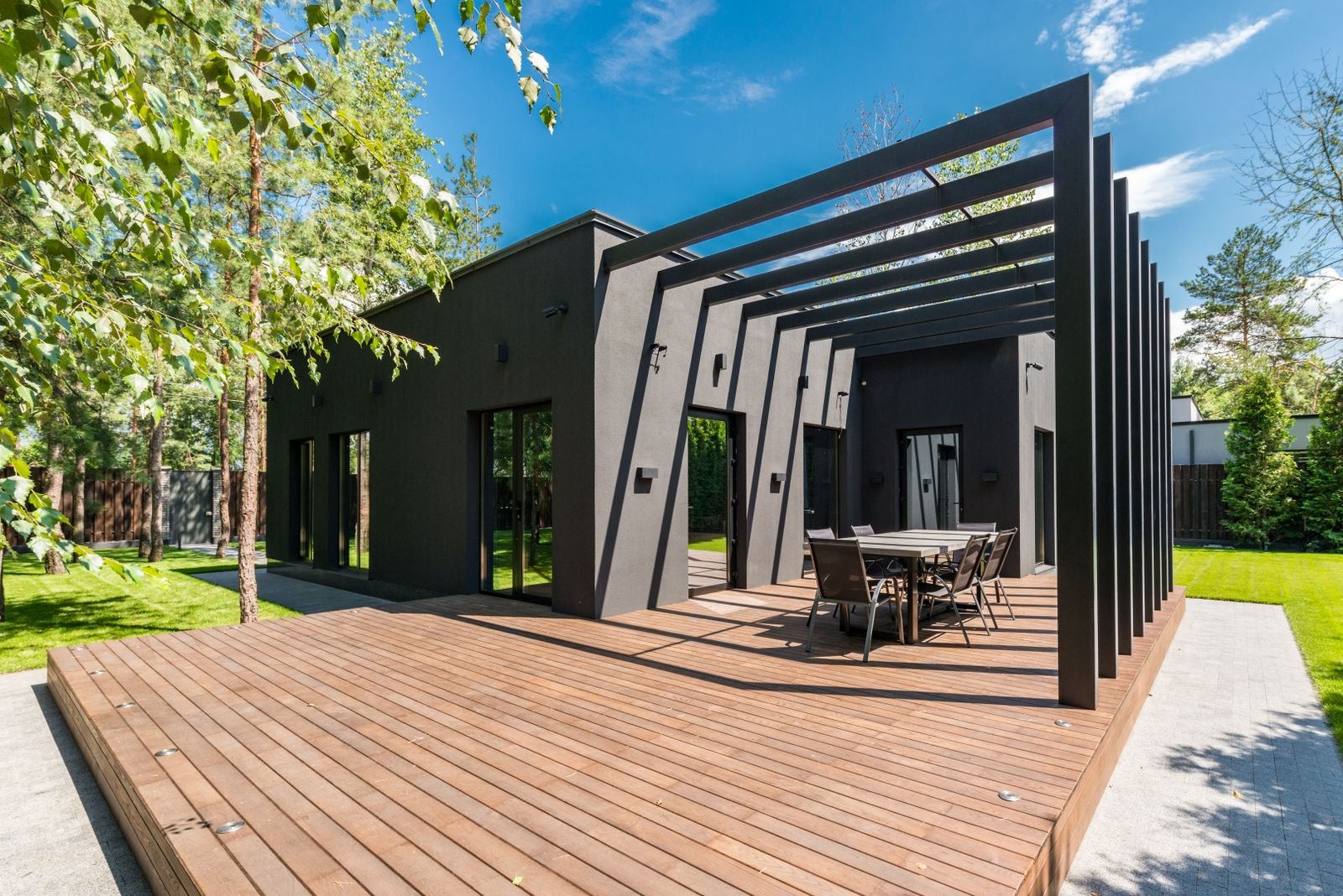 Decking under a shade structure
Under Prescott City Code Chapter 6-2, the wildland-urban interface areas shall be inclusive to the entire established geographical city limits of the City of Prescott. The immediate zone, 0 to 5 feet from the structure, exists to reduce or eliminate ember ignition and direct flame contact with the structure, decks, stairs and attachments. A deck is named in that list.
The county has a narrow exemption worth knowing: uncovered decks not exceeding 200 square feet, not more than 30 inches above grade at any point, not attached to a dwelling and not serving a required exit door. Note the first word. Cover that deck and the exemption is gone.
The terrain here also does something the low desert does not: Prescott is hilly, so decks earn their keep. On a sloping lot a deck is often the only sensible way to get a level outdoor space at all.
Three things worth asking about
Fire first
Decks are named in the interface code's immediate zone.
Uncovered only
The county's 200 square feet exemption ends the moment you roof it.
Slope makes it worth it
On a hillside lot a deck beats cutting and filling for a slab.
Deck pricing
Installed planning range for the Prescott and Yavapai County market. The calculator separates the structure from the extras and shows the permit as its own line.
No permit fee figure appears anywhere on this site. None could be verified for any of the three authorities, and a fee quoted from an out-of-date schedule is worse than no figure at all.
Before the material, settle the jurisdiction
The City of Prescott, unincorporated Yavapai County and each of the eight incorporated towns set different thresholds for exactly this kind of structure.
Decks in Prescott
Do decks need a permit here?
In the City of Prescott, decks over 200 square feet, over 30 inches, part of egress or attached to the house are in the permit column. In unincorporated Yavapai County the exemption is narrower than it looks: uncovered, not over 200 square feet, not over 30 inches, not attached, and not serving a required exit.
Does the wildland-urban interface affect decking material?
It reaches the structure and its attachments, and decks are named explicitly. What applies to your parcel depends on its fire hazard classification, which the City determines. City of Prescott Building Division on 928-777-1371 is the place to ask.
Composite or timber at this elevation?
Both work. The differences that matter here are surface temperature in full sun, movement through freeze-thaw cycles, and how each behaves under the interface rules. Ask about the fire performance of the specific board, not the category.
Deck or patio?
On flat ground a slab is usually better value. A deck earns its cost where the ground falls away, which in and around Prescott is a great deal of the housing stock.
What does a deck cost?
Planning ranges run about $38 to $80 per square foot installed, with material, height above grade and railing runs moving it most.
The other structures
Patio Covers
Most patio cover quotes here skip the two questions plan check actually asks.
$30 to $55 per sq ft →02Ramadas & Shade Structures
The county exemption is real, specific, and narrower than people assume.
$45 to $95 per sq ft →03Pergolas
Slat spacing decides whether you bought shade or a pattern on the flagstone.
$28 to $65 per sq ft →04Awnings
Fifty-four inches is the line, and two other conditions come with it.
$22 to $48 per sq ft of coverage →05Patio Enclosures
The moment it is conditioned, it stops being a patio cover and starts being an addition.
$70 to $140 per sq ft →06Concrete Patios
Most slab advice online is written for places with one frost depth. This county has three.
$12 to $26 per sq ft →08Outdoor Kitchens
A water line in an outdoor counter at 5,300 feet is a winter problem waiting to happen.
$220 to $750 per linear ft of counter run →