Ramadas and Shade Structures in Prescott, AZ
A ramada is a free-standing roof on posts with open sides. It is the oldest shade structure in the Southwest and, in unincorporated Yavapai County, it is the one that can sometimes be built without a building permit at all.
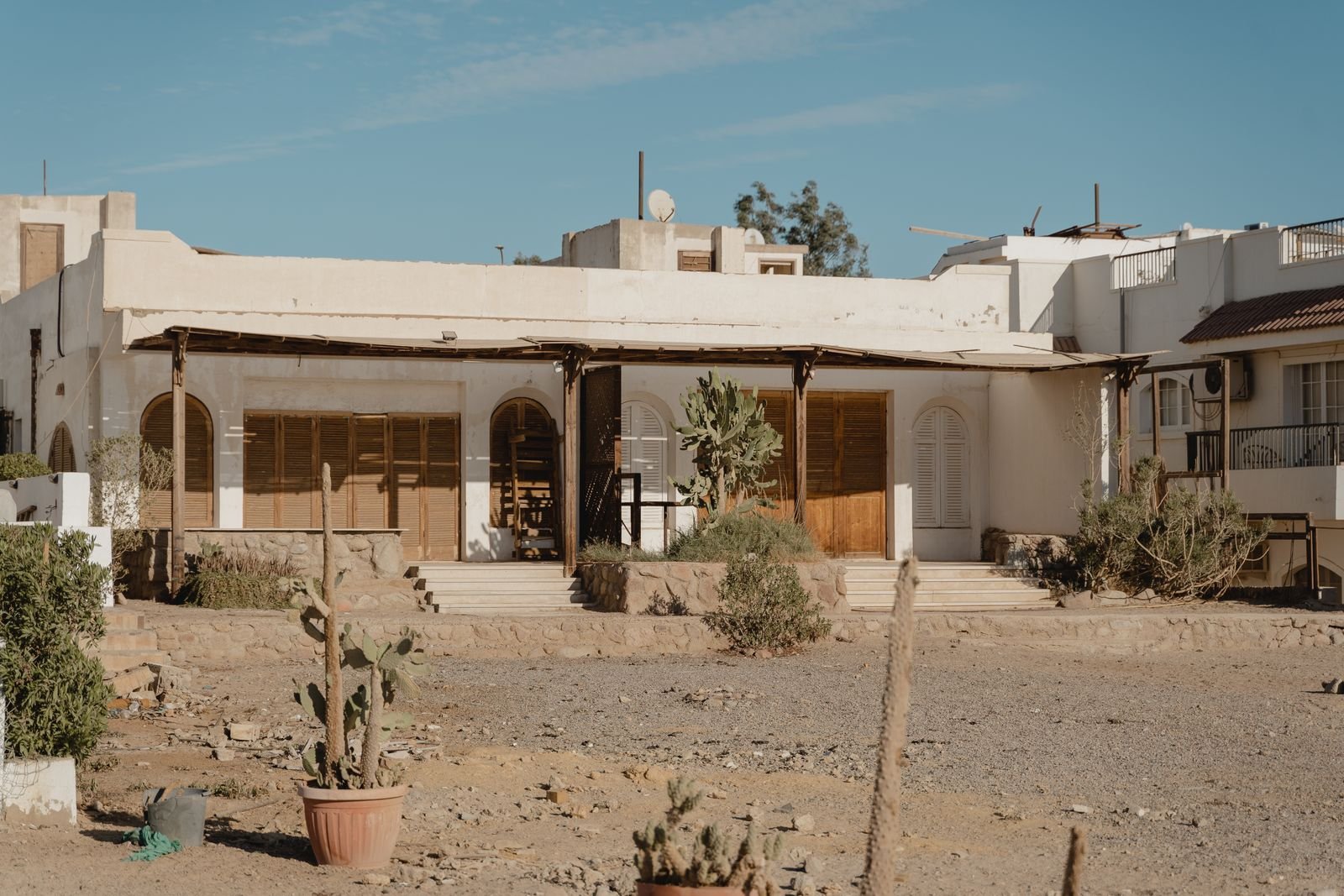 Deep covered porch
The county exemption is real, specific, and narrower than people assume.
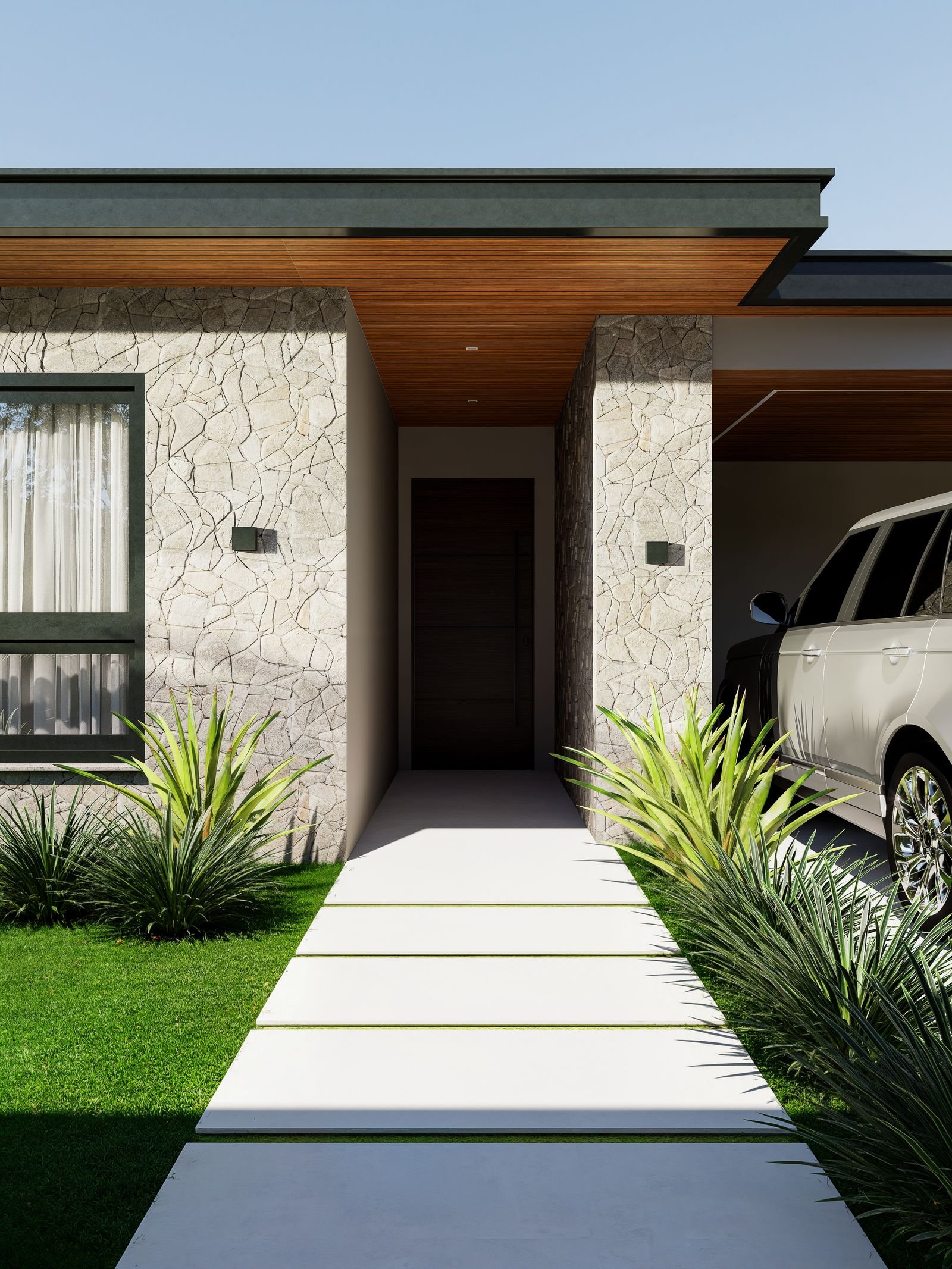 Free-standing flat roof
Under Yavapai County Ordinance 2025-4, adopted 1 October 2025, adopting the 2024 International Residential Code, unincorporated Yavapai County exempts one-storey non-habitable detached accessory buildings used as tool and storage sheds, garages, carports, playhouses, animal shades, barns and similar uses, provided the area does not exceed 400 square feet and the height does not exceed 12 feet from natural grade to mean roof height.
That is a genuine exemption and it is worth knowing about. It is also not a general permission: it applies to detached structures only, it caps at 400 square feet, and it does nothing about zoning setbacks, HOA architectural review, or the requirement that whoever builds it holds an Arizona ROC licence.
Inside the City of Prescott there is no equivalent. A carport needs a permit at any size, and a covered patio needs one whether it is attached or not.
Three things worth asking about
The county exemption
400 square feet and 12 feet maximum, detached, non-habitable.
It is not a free pass
Setbacks, HOA review and contractor licensing are untouched by it.
The City is different
No equivalent exemption inside Prescott city limits.
Ramada or free-standing shade structure pricing
Installed planning range for the Prescott and Yavapai County market. The calculator separates the structure from the extras and shows the permit as its own line.
No permit fee figure appears anywhere on this site. None could be verified for any of the three authorities, and a fee quoted from an out-of-date schedule is worse than no figure at all.
Before the material, settle the jurisdiction
The City of Prescott, unincorporated Yavapai County and each of the eight incorporated towns set different thresholds for exactly this kind of structure.
Ramadas & Shade Structures in Prescott
Do I need a permit for a ramada in Yavapai County?
Not necessarily. Yavapai County Ordinance 2025-4, adopted 1 October 2025 exempts detached non-habitable accessory structures up to 400 square feet and 12 feet to mean roof height, with the floor no more than 18 inches above natural grade. A ramada used as an animal shade or a carport reads onto that list. Confirm your specific plan with Yavapai County Development Services on 928-771-3214 before relying on it.
What about inside Prescott city limits?
There is no equivalent exemption. The City's list puts carports in the permit-required column at any size, and covered patios likewise. City of Prescott Building Division, 928-777-1371.
Why is a ramada more expensive per square foot than a patio cover?
It carries its own load in every direction rather than leaning on the house, so it needs four or more footings and a stiffer frame. Free-standing structures also tend to be specified heavier because there is no wall bracing them.
Is a ramada the same as a pergola?
No. A ramada has a solid roof and gives real shade and rain protection. A pergola has an open slatted top. The words get used loosely in sales copy, so agree which one you are buying before you compare prices.
What does a ramada cost?
Planning ranges run about $45 to $95 per square foot installed. Span and roof assembly drive it, and a structure designed to sit under a real snow load costs more than a valley-market kit.
The other structures
Patio Covers
Most patio cover quotes here skip the two questions plan check actually asks.
$30 to $55 per sq ft →03Pergolas
Slat spacing decides whether you bought shade or a pattern on the flagstone.
$28 to $65 per sq ft →04Awnings
Fifty-four inches is the line, and two other conditions come with it.
$22 to $48 per sq ft of coverage →05Patio Enclosures
The moment it is conditioned, it stops being a patio cover and starts being an addition.
$70 to $140 per sq ft →06Concrete Patios
Most slab advice online is written for places with one frost depth. This county has three.
$12 to $26 per sq ft →07Decks
A deck is an attachment in the 0 to 5 foot ignition zone, and the whole city is in the interface area.
$38 to $80 per sq ft →08Outdoor Kitchens
A water line in an outdoor counter at 5,300 feet is a winter problem waiting to happen.
$220 to $750 per linear ft of counter run →