Patio Covers in Prescott, AZ
An attached patio cover in Prescott is a roof. That is not a figure of speech: it carries snow, it sits inside the city's wildland-urban interface, and the City will want to know what it was designed to.
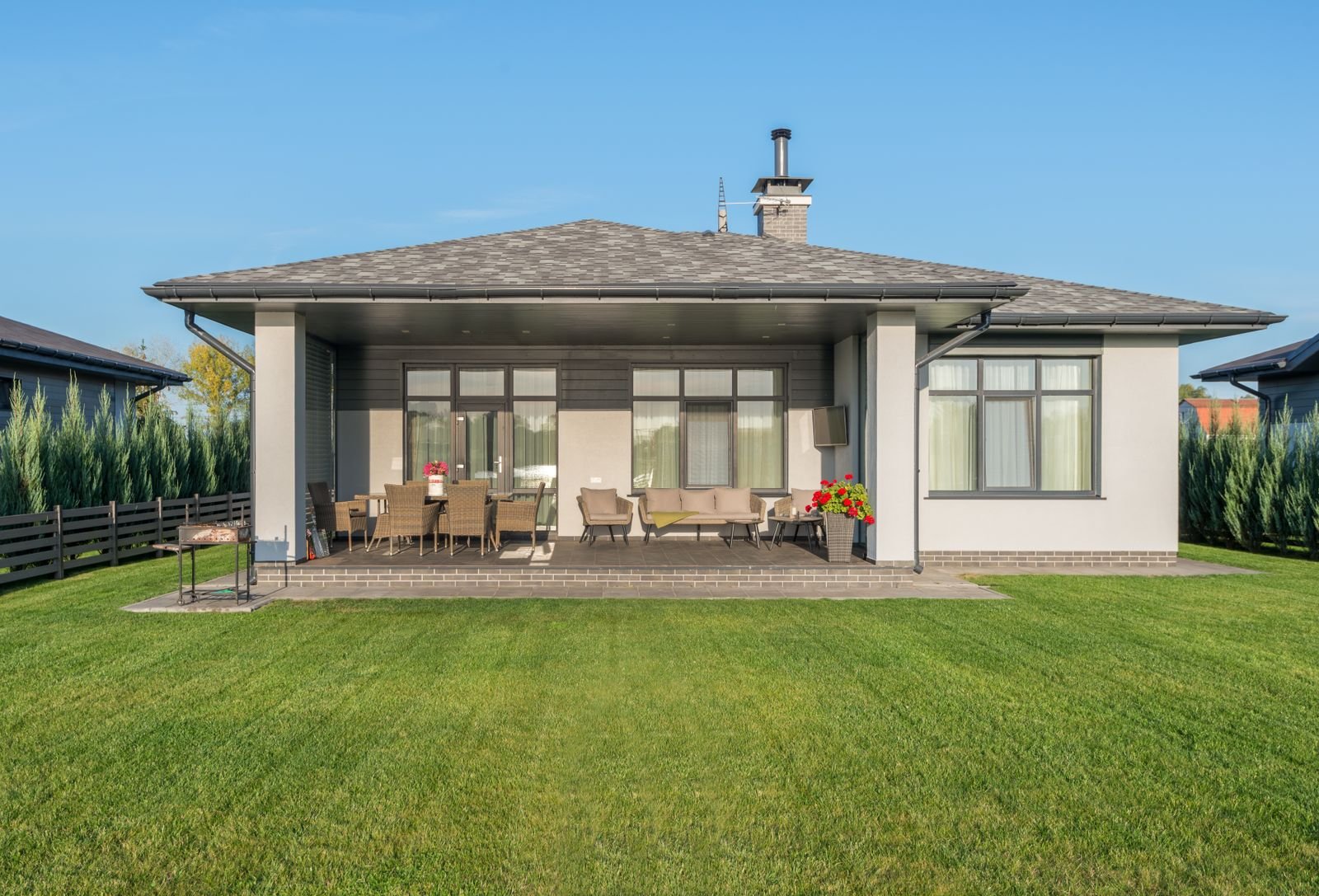 Attached patio cover
Most patio cover quotes here skip the two questions plan check actually asks.
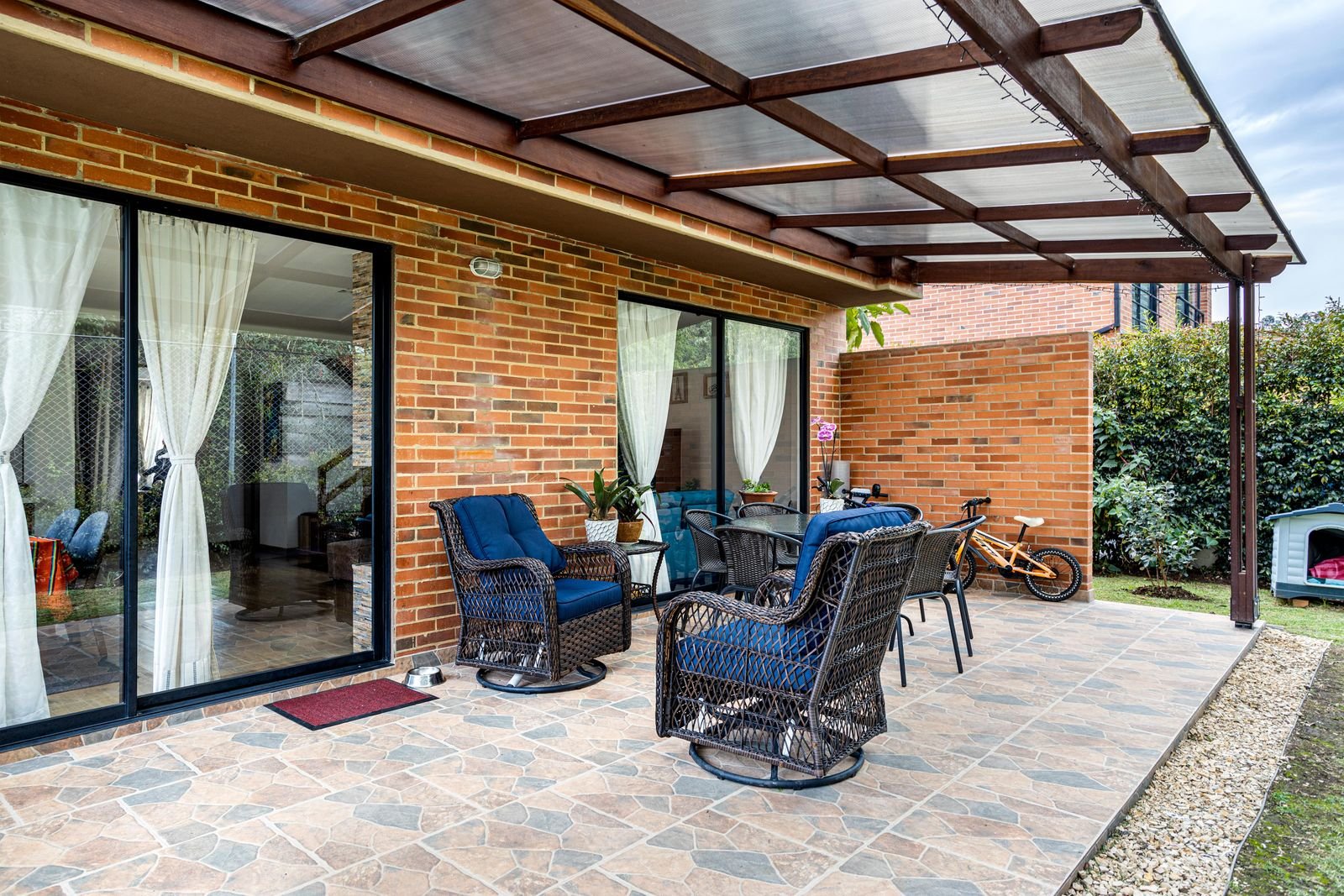 Cover on a masonry house
The first is snow. Prescott does not publish a single ground snow load the way most cities do. Its design criteria say the value varies by site, and the City requires a report from the ASCE Hazard Tool. At 5,319 ft that is a real load, and a catalogue system specified for a valley market has no business being installed under it without someone checking the number.
The second is fire. Under Prescott City Code Chapter 6-2 the City adopted the 2024 International Wildland-Urban Interface Code, adopted by Resolution 2026-1983, and the interface area is not a map of certain neighbourhoods: the wildland-urban interface areas shall be inclusive to the entire established geographical city limits of the City of Prescott. An attached patio cover is an attachment sitting in the 0 to 5 foot zone, and its roof is a roof, so the fire-rated assembly rules apply to it.
Everything else follows the ordinary numbers: a 105 mph 3-second gust design wind at Exposure C, seismic category C, unless verified by a soils report, and footings to 18 inches below finished grade.
Three things worth asking about
Snow is site-specific
Prescott asks for a report from the ASCE Hazard Tool rather than publishing one number.
The roof is a roof
Inside the interface area a Class A fire-rated assembly and protected eaves are the expectation.
Attached means permitted
Covered and screened patios need a permit in the City at any size.
Attached patio cover pricing
Installed planning range for the Prescott and Yavapai County market. The calculator separates the structure from the extras and shows the permit as its own line.
No permit fee figure appears anywhere on this site. None could be verified for any of the three authorities, and a fee quoted from an out-of-date schedule is worse than no figure at all.
Before the material, settle the jurisdiction
The City of Prescott, unincorporated Yavapai County and each of the eight incorporated towns set different thresholds for exactly this kind of structure.
Patio Covers in Prescott
Do I need a permit for a patio cover in Prescott?
Yes. The City's own list of what requires a permit puts covered and screened patios and decks in the permit-required column, with no square-footage exemption. That is different from unincorporated Yavapai County, where a detached accessory structure up to 400 square feet and 12 feet is exempt. Confirm your address with City of Prescott Building Division on 928-777-1371.
What snow load should it be designed to?
Prescott does not publish a single figure. Its criteria say the ground and roof snow load varies by site, and the City requires a report from the ASCE Hazard Tool. Ask whoever quotes you which number they used and where it came from.
Does the wildland-urban interface really apply to a patio cover?
The interface area covers the whole city, and the code treats decks, stairs and attachments as part of the structure in the 0 to 5 foot zone. A patio cover roof is within scope. What varies parcel to parcel is the fire hazard classification, which sets which construction class applies.
Attached or free-standing?
Attached is cheaper and ties into the house roofline. Free-standing avoids the ledger connection entirely, which matters on stucco or stone veneer, and in unincorporated county it can fall under the detached exemption. The trade-off is more posts and its own footings.
What does it cost?
Planning ranges run about $30 to $55 per square foot installed, with most work near $42. Span, the roof assembly and the snow number move it more than the colour does.
The other structures
Ramadas & Shade Structures
The county exemption is real, specific, and narrower than people assume.
$45 to $95 per sq ft →03Pergolas
Slat spacing decides whether you bought shade or a pattern on the flagstone.
$28 to $65 per sq ft →04Awnings
Fifty-four inches is the line, and two other conditions come with it.
$22 to $48 per sq ft of coverage →05Patio Enclosures
The moment it is conditioned, it stops being a patio cover and starts being an addition.
$70 to $140 per sq ft →06Concrete Patios
Most slab advice online is written for places with one frost depth. This county has three.
$12 to $26 per sq ft →07Decks
A deck is an attachment in the 0 to 5 foot ignition zone, and the whole city is in the interface area.
$38 to $80 per sq ft →08Outdoor Kitchens
A water line in an outdoor counter at 5,300 feet is a winter problem waiting to happen.
$220 to $750 per linear ft of counter run →